

What is ocular oncology
Ocular oncology is the subspecialty of ophthalmology dedicated to ocular tumors. They affect literally every structure of the eye: the retina (retinoblastoma), the uvea (melanoma), the vitreous (lymphoma), the ocular surface (melanoma and carcinoma), the eyelid (basal cell, sebaceous carcinoma) and the orbit (lymphomas, lacrymal tumors, etc). They affect newborns to elder patients.
Most of these tumors, if left untreated, will threaten the patient’s life. Therefore, they require aggressive therapies that are conducted in synergy with other disciplines such as oncology (chemotherapy, targeted and immune therapies) and radiation oncology (brachytherapy, protontherapy, photon radiotherapy, etc). The ocular oncologist is a comprehensive multi-skilled ophthalmologist: on one hand, this specialist must interact permanently with all other subspecialties of ophthalmology who refer patients with malignant tumours or suspicion thereof; on the other hand she or he must deal also on a daily basis with medical, pediatric and radiation oncologists, and also with pathologists, geneticists, imaging and nuclear medicine specialists.
Noteworthy, there are still several unmet needs in our field, which makes it a particularly challenging specialty for basic, translational and clinical researchers, physicians, and biopharma companies. Retinoblastoma and melanoma still require enucleation in a significant proportion of cases; retinoblastoma recurs often and may rarely develop metastases; uveal melanoma develops metastases in about 40% of cases for which no cure exists to date despite recent progresses. Many tumor types require large surgical resection, adjuvant irradiation, which result in lifelong visual or esthetic sequelae.
Due to their propensity to perform high-level translational research and develop links with other ocular subspecialties and other medical disciplines, especially pathology, ocular oncologists often occupy leadership positions in their departments, research labs, universities and scientific journals.
As an illustration, ocular oncology is the subject of a Subspeciality day at the American Academy of Ophthalmology. Several prestigious medals harbor the names of prominent ocular oncologists (Ellsworth lecture, Stallard medal, Gragoudas medal, Zimmerman and Shields Lectures, etc).
The community of ocular oncologists is structured around 3 regular events:
- The International Society of Ocular Oncology (ISOO): meeting every 2 years (rotating between Americas, Asia, Europe)
- The Ophthalmic Oncology Group (OOG): meeting every year, based in Europe but welcomes speakers and attendees from around the globe.
- The European Retinoblastoma Group (EURbG) : collaborative research group focusing on retinoblastoma
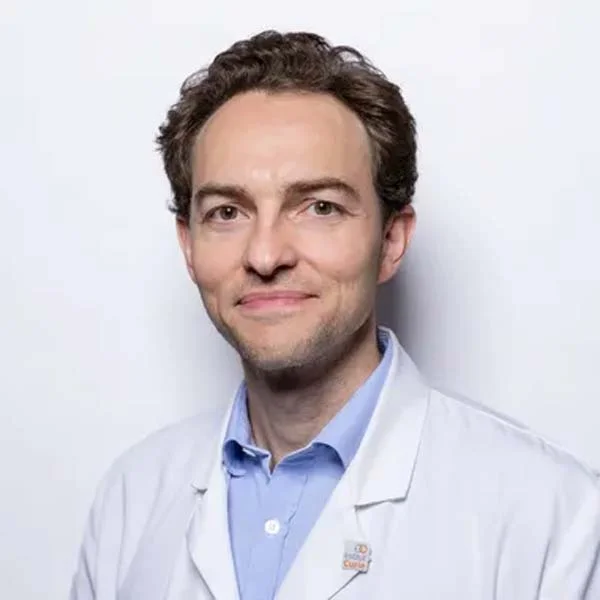 Pr A. Mattet
 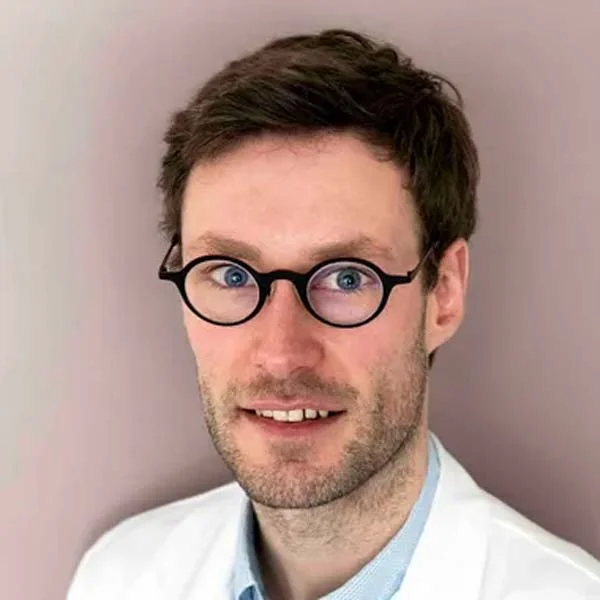 Dr D. Malaise
 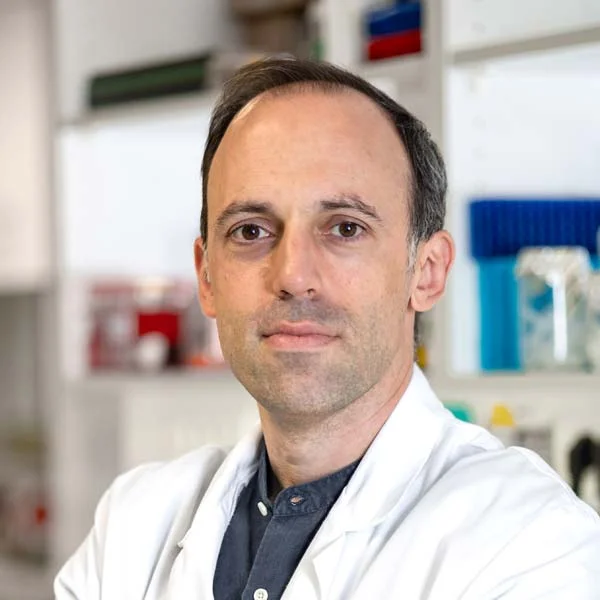 Dr M. Rodrigues
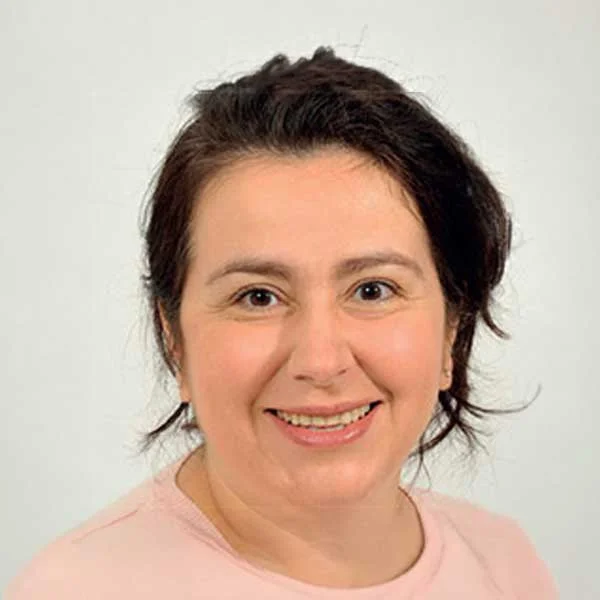 Dr L. Lumbroso-le Rouic
  Dr I. Aerts